

Starting a party favor business is an exciting way to turn your creative passion into a source of income. But many new entrepreneurs find themselves wasting time, money, and materials on preventable errors. These early stumbles can be frustrating and often come from overlooking a few key details in branding, production, pricing, and marketing.
This guide walks you through the 10 most common mistakes new party businesses make. For each one, we’ll look at why it’s a problem and provide practical steps you can take to fix it, so you can build a more professional and profitable business from the start.
Branding and Planning Mistakes
A strong foundation makes everything else easier. These first few mistakes happen before you even sell your first item, but they can have a long-lasting impact on your growth.
Mistake 1: Choosing a Business Name That’s Too Narrow
What it is: Picking a name that is hyper-specific to one product or theme, like “Gabby’s Graduation Banners” or “First Birthday Party Favors by Jen.”
Why it’s a problem: A narrow name can limit your ability to grow. What happens when you want to start selling baby shower favors or your customers start asking for bachelorette party printables? A name that’s too specific can confuse new customers and make it harder to expand your product line without a complete rebrand.
What to do instead: Think long-term. Choose a name that reflects the overall feeling or niche of your brand but leaves room for new ideas. For example, “Gabby’s Celebration Co.” or “Jen’s Joyful Occasions” opens the door to any party type. Brainstorm names that are memorable, easy to spell, and check to see if the social media handles and domain name are available before you commit.
Mistake 2: Lacking a Cohesive Visual Brand
What it is: Using a different mix of fonts, colors, and logo styles across your Etsy shop, social media posts, and product designs.
Why it’s a problem: Inconsistency looks unprofessional and makes it difficult for customers to recognize your brand. When every design has a different feel, it creates a disjointed experience that can erode trust. A customer might love a product they see on Pinterest, but if they click through to a shop that looks completely different, they may get confused and leave.
What to do instead: Create a simple brand identity. You don’t need to be a professional designer to do this.
- Choose 2-3 primary fonts: Select one for headings, one for body text, and maybe a third for accents.
- Pick a signature color palette: Stick to 3-5 complementary colors that you use consistently in your logo, website, and templates.
- Use Canva’s Brand Kit: If you use Canva, set up your fonts, colors, and logo in the Brand Kit feature. This makes it easy to apply your brand identity to every new design with just one click, saving you time and ensuring every product looks like it came from the same professional business.
Mistake 3: Trying to Sell to Everyone
What it is: Creating generic party favors without a specific customer in mind, hoping to appeal to the widest possible audience.
Why it’s a problem: When you try to appeal to everyone, you often end up appealing to no one. The party market is crowded, and a generic “Happy Birthday” banner will get lost among thousands of others. Without a clear target audience, your marketing message will be vague and your products won’t stand out.
What to do instead: Define your niche. A niche is simply the intersection of what you love to create and what a specific group of people is looking for. Are you passionate about first birthday parties for busy moms? Or maybe you excel at creating elegant designs for bridal showers?
- Identify your ideal customer: Is it a mom planning her child’s first birthday? A teacher looking for classroom decorations? A corporate event planner?
- Research their needs: Go to Pinterest and Etsy and search for what your ideal customer is looking for. Pay attention to the specific themes, colors, and styles that are popular. This research will help you create products that solve a real problem for a specific group, making them much easier to market and sell.
Technical and Printing Mistakes
The difference between a homemade craft and a professional product often comes down to technical details. Getting the printing and production right is essential for creating items that customers will love.
Mistake 4: Using the Wrong Paper for the Project
What it is: Grabbing any paper off the shelf and hoping for the best, like using standard office paper for water bottle labels or thin paper for cake toppers.
Why it’s a problem: The type of paper you use directly affects the final quality of your party favors. Using the wrong paper can lead to dull colors, ink smearing, and flimsy products that are difficult to assemble. For example, cardstock is too thick and stiff to fold into a chip bag, resulting in cracked edges and a bulky finish.
What to do instead: Match your paper to the project.
- For Chip Bags, Candy Bar Wrappers, and Treat Bags: Use a lightweight, flexible paper that folds easily. A product like DIY Party Glossy Paper is designed for this, as its finish makes colors pop and it gives a satisfying crinkle.
- For Cake Toppers, Favor Tags, and Invitations: These items need structure. A sturdy paper like Glossy Cardstock will prevent them from bending or looking flimsy.
- For Water Bottle or Juice Pouch Labels: You’ll want a water-resistant material. Glossy Sticker Paper is a good choice because it’s easy to apply and holds up to condensation.
If you’re unsure where to begin, a Party Favor Printing Starter Kit can give you a variety of paper types to experiment with.
Mistake 5: Ignoring Your Printer’s Settings
What it is: Hitting “Print” using the default settings for every project, regardless of the paper type or design complexity.
Why it’s a problem: Default printer settings are usually optimized for printing text on plain paper, not for printing vibrant, high-resolution graphics on glossy paper. This often results in faded colors, visible lines (banding), or ink that doesn’t dry properly on the paper’s surface.
What to do instead: Dive into your printer’s dialogue box before you print.
- Select the right paper type: In your printer settings, look for the “Media Type” or “Paper Type” option. Even if you’re using a third-party glossy paper, selecting a “Glossy” or “Photo Paper” setting tells your printer to apply ink differently for a better result.
- Choose the best print quality: Change the quality setting from “Standard” to “High” or “Best.” This will use more ink and take longer to print, but the difference in color saturation and detail is often significant.
- Check for a “Borderless” option: If your design is meant to go to the edge of the paper, like a chip bag wrapper, select the borderless printing option if your printer supports it. This will prevent a thin white margin from appearing around your design.
Mistake 6: Not Accounting for Bleed and Safe Zones
What it is: Placing important text or design elements right up to the edge of your canvas in Canva.
Why it’s a problem: No home printer is perfectly precise. There is always a slight shift when the paper feeds through, which means the final cut can be off by a millimeter or two. If your text is too close to the edge, it might get cut off. If your background color doesn’t extend past the cut line, you might end up with an unprofessional-looking white sliver on the final product.
What to do instead: Design with margins in mind.
- Turn on margins in Canva: Go to File > View settings > Show margins. This will place a dotted line inside your canvas, creating a “safe zone.” Keep all your important text and logos inside this box.
- Add a bleed: A bleed is when you extend your background color or pattern slightly beyond the final cut line. In Canva, go to File > View settings > Show print bleed. Drag your background elements all the way to this outer edge. This ensures that even if the cut is slightly off, you won’t have any white gaps.
Mistake 7: Failing to Do a Test Print
What it is: Printing an entire batch of 20 chip bags only to realize the color is wrong or a word is misspelled.
Why it’s a problem: This is one of the most common ways new party businesses waste expensive paper and ink. The colors you see on your backlit computer screen (which uses an RGB color model) can look very different from the colors your printer produces (which uses a CMYK ink model). A small typo that you missed on screen can become glaringly obvious once it’s printed.
What to do instead: Always print a single test copy first. Print it on standard office paper to check for typos and layout issues. Then, print one copy on your final, more expensive paper to check the colors and overall quality. This extra two-minute step can save you hours of frustration and a lot of money.

Marketing and Pricing Mistakes
You can create the most beautiful party favors in the world, but if you don’t price them correctly or market them effectively, your business won’t be sustainable.
Mistake 8: Underpricing Your Work
What it is: Setting your prices based only on what competitors are charging or just covering the cost of materials.
Why it’s a problem: Competing on price is a race to the bottom that devalues your creative work. If you only charge for materials, you aren’t paying yourself for your design time, assembly time, ink usage, packaging, or platform fees. This leads to burnout and a business that isn’t actually profitable.
What to do instead: Calculate your prices based on a clear formula. A basic starting point is:
(Cost of Materials + Ink Cost + Packaging + Platform Fees + Your Time) x Markup = Final Price
Your markup covers your profit and business overhead. Track every expense, from the paper you use to the tape on the shipping box. Remember that your time and skill are valuable. You are not just selling paper and ink; you are selling a custom-designed product that makes someone’s celebration special. For a deeper dive, check out this guide on how to calculate profit margin on crafts.
Mistake 9: Using Dark or Cluttered Product Photography
What it is: Taking quick photos of your products in poor lighting, with a distracting background, or at a weird angle.
Why it’s a problem: In the party favor industry, people buy with their eyes. Dark, blurry, or cluttered photos make your products look low-quality and untrustworthy, even if the item itself is perfect. Customers can’t touch or feel your product online, so your photos have to do all the work.
What to do instead: Take bright, clean, and clear product photos.
- Use natural light: The best light is free. Place your products near a window on a bright day, but out of direct, harsh sunlight.
- Create a simple background: A plain white or light-colored poster board is all you need. This keeps the focus on your product.
- Show multiple angles: Take photos of the front, back, and a “lifestyle” shot showing the product in use (e.g., a chip bag on a party table).
- Use mockups: For digital products, using digital templates and mockups is a great way to showcase your designs professionally without having to print and assemble every single one.
Mistake 10: Relying Only on One Platform for Sales
What it is: Listing your products on Etsy and then waiting for sales to come in, without any other marketing efforts.
Why it’s a problem: Relying on a single platform, especially one you don’t own (like Etsy or Facebook Marketplace), is risky. Algorithm changes can cause your sales to drop overnight without warning. A “post and pray” strategy isn’t a strategy at all; it’s a lottery ticket.
What to do instead: Build a simple marketing system. You don’t need to be on every social media platform. Instead, focus on one or two and do them well.
- Master Etsy SEO: Learn how to use relevant keywords in your titles, tags, and descriptions so that customers can find you in search.
- Leverage Pinterest: Pinterest is a visual search engine, making it perfect for party businesses. One party favor can be turned into multiple “pins”—a product shot, a video of it being assembled, a photo of it on a party table. Unlike an Instagram post that disappears in a day, a good pin can drive traffic to your shop for months or even years.
- Start an email list: Even if it’s just a simple signup form, collecting email addresses from day one gives you a direct line to your customers that you control completely.
- Connect with your community: Networking with other local entrepreneurs can lead to referrals and bulk orders. A platform like YCCUON is designed to connect local businesses with service providers and fundraisers, helping you build visibility outside of social media algorithms.
Frequently Asked Questions
How do I choose the right Canva template for my new party business?
Look for templates that are well-organized with clearly labeled layers. A good template should be easy to customize with your own text and images. Start with a versatile design, like a chip bag or candy bar wrapper, as these are popular and teach you fundamental design and assembly skills.
Which paper type is best for professional-looking chip bags?
A lightweight glossy paper is generally the best choice for chip bags. It prints with vibrant colors, is flexible enough to be folded and crimped without cracking, and provides the classic “crinkle” sound and feel of a real chip bag.
How much should I charge for custom party favors?
To determine your price, you need to calculate all of your costs. This includes the price of paper, ink, any physical items (like chips or candy), packaging materials, and platform fees. Most importantly, you must factor in a wage for your design and assembly time. Once you have your total cost, you can add a markup for profit.
What are the most common printing mistakes beginners make?
The most common printing mistakes include using the wrong paper for the project, forgetting to change printer settings to “high quality” and “glossy paper,” not designing with a bleed, and failing to do a test print before producing a large batch. These mistakes can lead to wasted materials and unprofessional results.
Moving Forward with Confidence
Starting a party favor business involves a lot of learning, and nobody gets everything right on the first try. Avoiding these 10 common mistakes isn’t about achieving perfection overnight; it’s about building smart habits that will save you time, money, and stress as you grow.
Focus on creating a strong brand, mastering your production process, and pricing your work for what it’s worth. By addressing these key areas, you’ll be building a solid foundation for a creative business that is both fun and profitable.
If you’re looking for ongoing support with templates, tutorials, and business education, consider joining a community like The Party Printable Studio. Having a system and a support network can make all the difference as you continue to learn and grow.
Article by
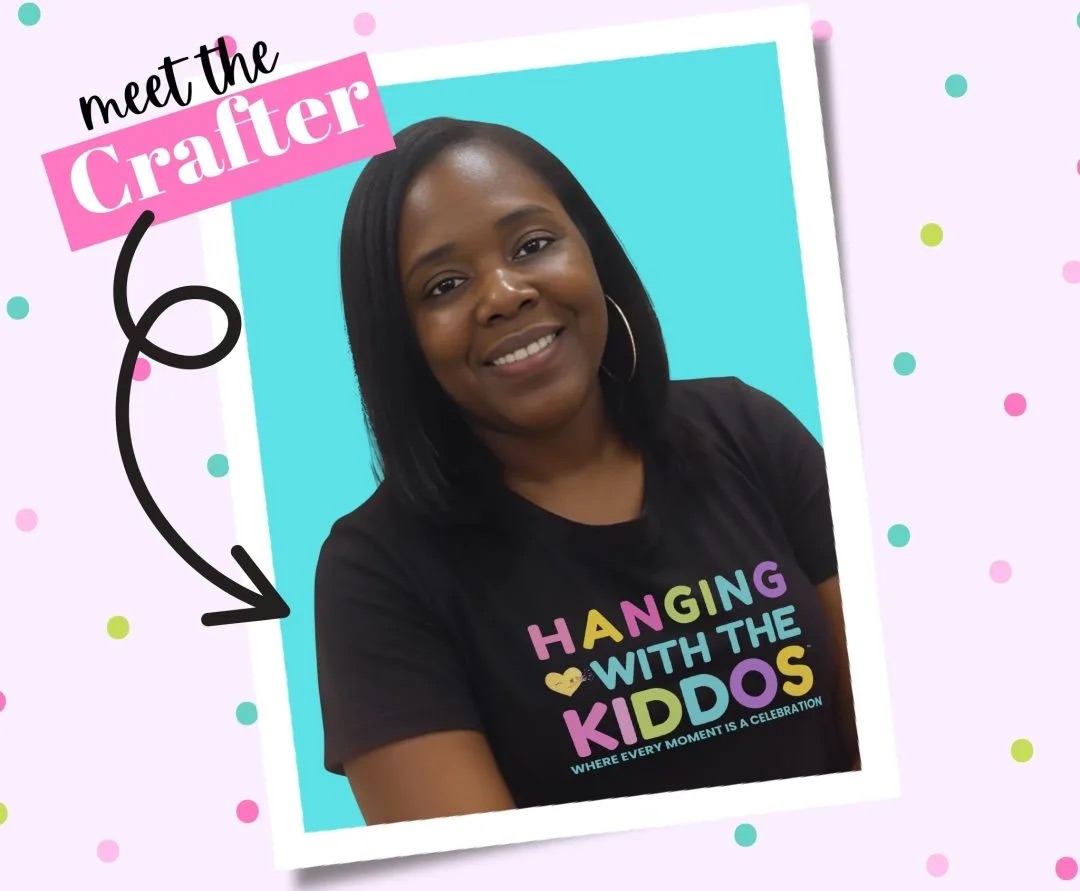
Latoya
Latoya is the founder of Hanging with the Kiddos, where she helps DIY creators design and print professional-quality party favors at home. Through step-by-step tutorials, editable Canva templates, and the Party & Confetti line of premium printing supplies, she shares practical tips that make creating personalized celebrations easier and more enjoyable. Her mission is simple: help families, creators, and small business owners Celebrate • Create • Grow.
Disclaimer
“This post may contain affiliate links, which means if you choose to make a purchase, I may earn a small commission from purchases made at no extra cost to you. Your support is invaluable in helping me continue providing free content on this site & I really appreciate It!”


